life sciences
What Are The Advantages Of Cryo-Correlative Light And Electron Microscopy?
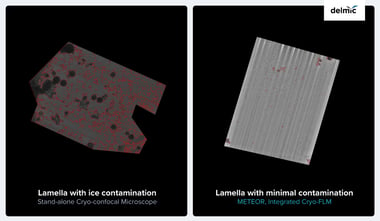
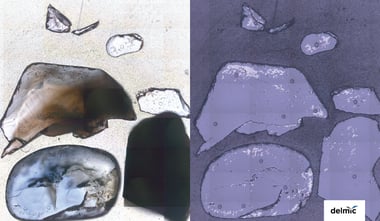
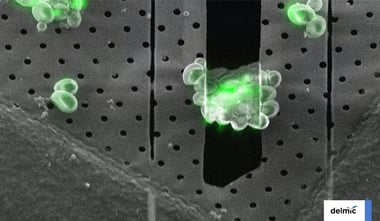
Researchers in life sciences are using a combination of cryo-electron microscopy and light microscopy to gain new insights into their research. In this blog ...
All topics
Researchers in life sciences are using a combination of cryo-electron microscopy and light microscopy to gain new insights into their research. In this blog ...
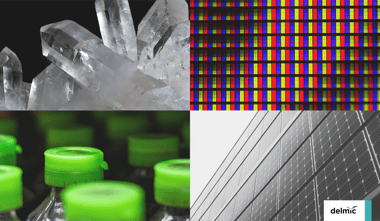
Cathodoluminescence imaging is increasingly used for analyzing a wide range of materials at the nanoscale. But which materials actually emit ...
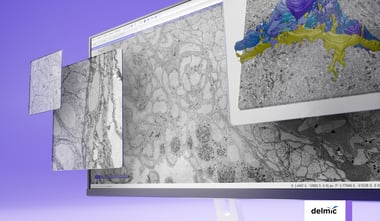
Volume or 3D electron microscopy (EM) is an upcoming set of techniques that are increasingly used in the field of life sciences. Here, we will explore the main ...
While SiC-powered MOSFETs hold great promise for the field of space electronics, heavy-ion radiation in space causes them damage. Here, we highlight a recent ...
Fluid-rock interactions such as precipitation play a large role in rock deformation. However, the precipitation location is often unknown. Here we highlight ...
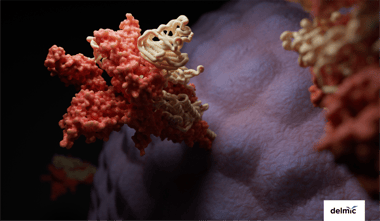
Cryo-EM is a powerful tool in structural biology, allowing researchers to obtain high-resolution reconstructions of macromolecular structures. Here, we will ...
Nanoplasmonic materials offer promising applications, but a knowledge gap exists in the physics of plasmonic oscillations in these materials. Here, we discuss ...
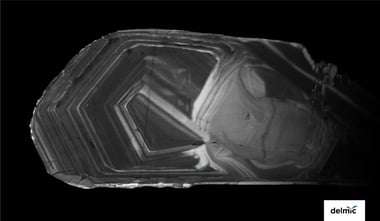
Recrystallization events in zircons can affect U-Pb dating. Read in this blog post about a recent investigation of these events using cathodoluminescence ...
Although most scientific articles impose copyright regulations to prevent sharing and using their 3D electron microscopy (EM) data, public image archives ...
Prominent consumer electronics and LED companies, including Apple, are now developing microLED technology. Samsung has already launched microLED TVs. However, ...